
In the rapidly evolving world of manufacturing, precision, efficiency, and flexibility are more critical than ever. Computer Numerical Control (CNC) machining has emerged as a transformative technology that revolutionizes how parts and products are designed, produced, and refined. By automating the control of machine tools through computer programming, CNC machining offers numerous advantages that significantly enhance manufacturing processes across various industries. This article explores the key benefits of CNC machining and how it contributes to improved productivity, quality, and innovation in manufacturing.
Exceptional Precision and Accuracy
One of the most prominent advantages of CNC machining is its ability to produce highly precise components with tight tolerances. Unlike manual machining, which relies heavily on operator skill, CNC machines follow exact digital instructions, ensuring consistency across large production runs. This level of precision is essential for industries such as aerospace, medical devices, and automotive manufacturing, where even minor deviations can compromise product performance and safety.
Furthermore, the capability of CNC machines to replicate complex geometries with high accuracy enables the production of intricate designs that would be difficult or impossible to achieve manually. This precision also reduces the need for secondary operations or extensive finishing work, saving both time and resources.
Increased Production Speed and Efficiency
CNC machining significantly accelerates production timelines. Once a design is programmed into the machine, it can operate continuously without fatigue, producing parts at a much faster rate than manual methods. Automated tool changes, optimized cutting paths, and high-speed operations further enhance efficiency, reducing lead times and enabling manufacturers to meet tight deadlines and high-volume demands.
Flexibility and Versatility
CNC machines can work with a wide range of materials—including metals, plastics, composites, and more—and can perform various operations such as milling, turning, drilling, and threading. This versatility allows manufacturers to produce complex geometries and intricate parts with ease, often in a single setup. Additionally, modifications to the design can be quickly implemented by updating the CNC program, facilitating rapid prototyping and iterative development.
Cost Savings and Reduced Waste
While the initial investment in CNC equipment can be substantial, the long-term savings are considerable. The high precision of CNC machining minimizes material waste, as parts are produced with fewer defects and rework. Automated processes also reduce labor costs by decreasing the need for manual intervention and skilled operator hours. Over time, these efficiencies translate into lower production costs and improved profit margins.
Moreover, CNC machines are equipped with features such as tool life management and automatic tool changers, which optimize the use of cutting tools and reduce unnecessary expenses. The ability to produce high-quality parts consistently also reduces the costs associated with rejects, returns, and warranty claims.
Enhanced Quality and Consistency
Maintaining consistent quality across large production runs is a significant challenge in manufacturing. CNC machining addresses this by delivering uniform parts that meet strict specifications every time. The repeatability of CNC processes ensures that every component produced adheres to the same standards, reducing variability and enhancing overall product reliability.
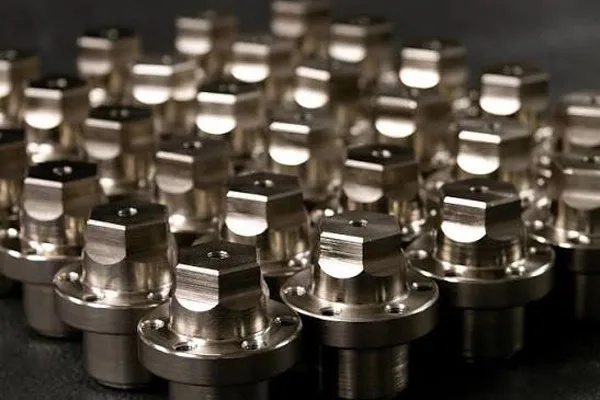
CNC machining parts
Ease of Automation and Integration
CNC machining can be seamlessly integrated into automated manufacturing systems, including robotics and conveyor systems. This integration enables fully automated production lines that require minimal human oversight, increasing throughput and reducing the risk of human error. Advanced CNC machines also include features such as diagnostic tools and remote monitoring, allowing for proactive maintenance and minimal downtime
Support for Complex and Innovative Designs
Modern industries demand increasingly complex and innovative products. CNC machining excels in this area by enabling the fabrication of intricate geometries, fine features, and complex assemblies that would be difficult or impossible to produce manually. This capability supports product innovation and helps companies stay competitive in a crowded marketplace.
Shorter Lead Times for Prototyping and Customization
CNC machining is ideal for prototyping and small-batch production due to its quick setup times and flexibility. Designers can rapidly translate digital models into physical prototypes, allowing for faster testing, evaluation, and refinement. Once the design is finalized, CNC machining can produce customized parts efficiently, catering to specific customer needs and reducing time-to-market.
Conclusion
CNC machining has become an indispensable tool in modern manufacturing, offering unparalleled precision, speed, and flexibility. By automating complex operations and ensuring consistent quality, CNC technology enables manufacturers to produce high-quality parts efficiently and cost-effectively. As industries continue to demand innovative, intricate, and reliable products, the role of CNC machining will only grow in importance, driving manufacturing excellence and competitive advantage in the global marketplace. Embracing this technology not only enhances current production capabilities but also opens new horizons for future innovation and growth.