
When it comes to CNC machining, choosing the right material is a critical step that can significantly influence the success, cost, and performance of your project. The right material ensures durability, precision, and aesthetic appeal, while the wrong choice can lead to issues such as wear, failure, or increased manufacturing costs. This guide will walk you through the key considerations and popular material options to help you make an informed decision tailored to your specific needs.
Why Material Selection Matters in CNC Machining
CNC machining involves subtractive manufacturing, where material is precisely removed from a solid block to create a finished product. The properties of the chosen material impact machinability, strength, weight, corrosion resistance, and appearance. Understanding these factors will help you select a material that aligns with your design requirements, budget, and application.
Key Factors to Consider When Choosing CNC Materials
- Mechanical Properties: Consider the strength, hardness, toughness, and fatigue resistance needed for your application.
- Machinability: Some materials are easier to cut, turn, or mill, which can reduce manufacturing time and costs.
- Corrosion Resistance: If your product will be exposed to moisture or chemicals, select materials with high corrosion resistance.
- Weight: For applications where weight is critical, opt for lightweight materials like aluminum or composites.
- Aesthetic Finish: Think about surface finish, color, and texture, especially for visible or decorative parts.
- Cost: Material costs vary widely; balance your budget with the required performance.
- Application Environment: Consider temperature, exposure to elements, or mechanical stresses your part will endure.
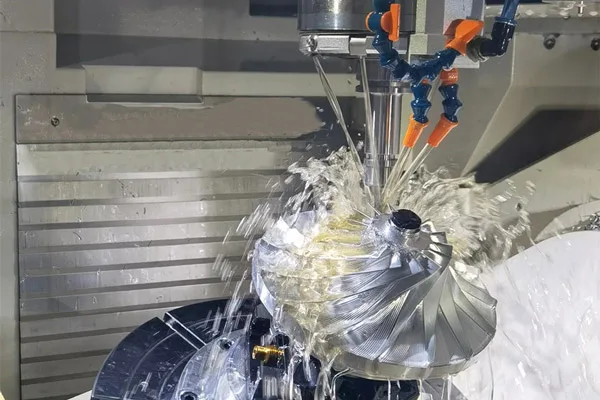
CNC machining
Popular CNC Machining Materials and Their Applications
Metals
Aluminum:
Pros: Lightweight, excellent machinability, good corrosion resistance, and affordable.
Cons: Less hard and wear-resistant.
Applications: Prototypes, aerospace parts, consumer electronics, and decorative items.
Steel (including stainless steel):
Pros: High strength, durability, and wear resistance.
Cons: Heavier and more challenging to machine.
Applications: Automotive components, industrial machinery, medical devices.
Brass:
Pros: Good machinability, corrosion resistance, and attractive appearance.
Cons: Softer than steel, less suitable for high-stress applications.
Applications: Decorative hardware, fittings, musical instruments.
Titanium:
Pros: Excellent strength-to-weight ratio, corrosion resistance, biocompatibility.
Cons: Expensive and more difficult to machine.
Applications: Aerospace, medical implants, high-end sporting gear.
Plastics and Composites
ABS:
Pros: Good machinability, impact resistance, and affordability.
Cons: Less heat-resistant.
Applications: Prototyping, consumer products.
Delrin (Acetal):
Pros: High stiffness, low friction, and excellent dimensional stability.
Applications: Gears, bearings, precision parts.
Polycarbonate:
Pros: High impact resistance and clarity.
Applications: Optical components, safety shields.
Carbon Fiber Composites:
Pros: High strength-to-weight ratio and stiffness.
Cons: More complex and expensive to machine.
Applications: Aerospace, sporting goods.
How to Choose the Right Material
- Define Your Requirements: Identify the primary function of your part—strength, weight, corrosion resistance, aesthetics, etc.
- Assess the Environment: Will it be exposed to harsh conditions, chemicals, or temperature extremes?
- Balance Cost and Performance: Find a material that meets your specifications without exceeding your budget.
- Consult Material Data Sheets: Review technical data for machinability, tensile strength, hardness, and other properties.
- Prototype and Test: When possible, create prototypes with different materials to evaluate performance and finish.
Final Tips for Material Selection
Collaborate with your CNC machine shop or material supplier—they can provide valuable insights based on their experience.
Consider future maintenance, repairs, or re-machining needs.
Be flexible—sometimes a compromise between ideal performance and practical constraints leads to the best overall solution.
Conclusion
Choosing the right material for CNC machining is a foundational step that influences every aspect of your project, from manufacturing costs to product performance. By carefully considering your specific application requirements, environmental factors, and budget, you can select a material that ensures your project’s success. Whether you opt for lightweight aluminum, durable steel, or advanced composites, making an informed choice will help you achieve optimal results and long-lasting quality.
Need expert advice or assistance in selecting the perfect CNC material for your project? Reach out to our team—we’re here to help you make the best decision!