
In the world of precision manufacturing, especially within industries such as aerospace, electronics, automotive, and tooling, surface finish and functional coatings play a vital role in enhancing the performance, durability, and aesthetic appeal of components. Copper plating has emerged as a popular surface treatment for CNC machined parts due to its excellent electrical conductivity, corrosion resistance, and ability to improve wear properties. This comprehensive Design for Manufacturing (DFM) guide aims to provide valuable insights into copper plating services for CNC components, covering essential considerations, best practices, and key factors to optimize the process for high-quality results.
What is Copper Plating and Why is it Used?
Copper plating involves depositing a layer of copper onto the surface of a substrate through electrochemical processes. This coating offers multiple benefits:
Enhanced Conductivity: Copper’s high electrical and thermal conductivity makes it ideal for electronic and thermal management applications.
Corrosion Resistance: Copper plating provides a protective barrier against oxidation and environmental corrosion.
Improved Surface Finish: Copper’s smooth surface improves the appearance and prepares the component for subsequent finishes like soldering or further plating.
Wear Resistance: Copper coatings can reduce wear and extend the lifespan of components subjected to friction or mechanical stress.
Facilitation of Soldering and Bonding: Copper’s excellent solderability makes it suitable for electrical connectors, circuit boards, and other electronic components.
Key Considerations for Copper Plating on CNC Parts
When integrating copper plating into the manufacturing process of CNC components, several critical factors must be considered to ensure optimal results:
Material Compatibility
Not all materials are suitable for copper electroplating. Common substrates include steel, aluminum, and certain plastics. The material must be compatible with the electrochemical process, often requiring the application of a conductive or adhesion-promoting layer, such as nickel or a special primer.
Surface Preparation
Proper surface preparation is essential to achieve uniform and adherent copper coatings. This includes cleaning, degreasing, and etching the substrate surface to remove contaminants, oxides, and oils. Surface roughness may also be adjusted to improve adhesion.
Thickness Control
Copper plating thickness typically ranges from a few microns to several tens of microns, depending on the application. Precise control over thickness influences electrical performance, mechanical properties, and aesthetics. Thicker coatings may require longer plating times and specific process parameters.
Plating Process Parameters
Key parameters such as current density, temperature, and bath composition significantly impact deposit quality. Optimizing these parameters minimizes defects like porosity, roughness, or uneven coverage.
Post-Plating Treatments
Post-process treatments, including polishing, passivation, or additional coatings, can enhance surface properties and appearance. Proper handling reduces the risk of damage or peeling of the copper layer.
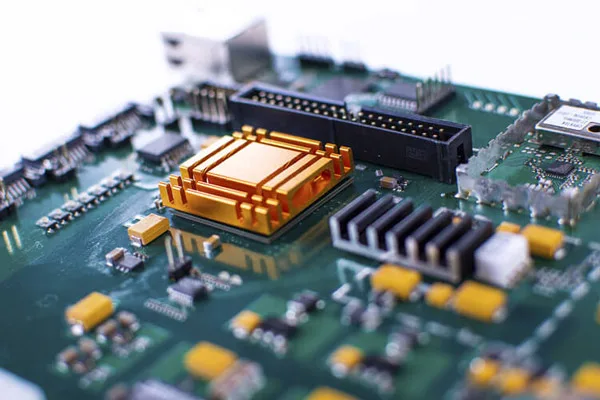
Printed circuit board assembly
Best Practices in Copper Plating for CNC Components
Design for Plating: Incorporate features that facilitate uniform electroplating, such as adequate spacing between parts and conductive pathways.
Material Selection: Choose substrates compatible with copper plating or apply suitable adhesion layers.
Pre-treatment: Ensure thorough cleaning and surface conditioning to promote adhesion.
Process Optimization: Work with experienced plating providers to fine-tune process parameters for specific applications.
Quality Inspection: Implement rigorous inspection methods like microscopy, thickness measurements, and adhesion tests to verify quality.
Common Challenges and Solutions
- Poor Adhesion: Addressed by proper surface preparation and using adhesion-promoting layers.
- Uneven Coating: Caused by improper current distribution; solution involves better fixture design and bath agitation.
- Porosity or Defects: Minimized by controlling bath chemistry, temperature, and current density.
- Thickness Variability: Ensured through precise process control and monitoring.
Applications of Copper Plating on CNC Components
Copper-plated CNC parts are widely used in various industries, including:
Electronics: Circuit boards, connectors, and contact points.
Aerospace: Electrical grounding, thermal management, and corrosion protection.
Automotive: Sensors, electrical components, and decorative trim.
Tooling: Molds and dies requiring enhanced thermal or electrical properties.
Selecting a Copper Plating Service Provider
When choosing a plating service, consider the following:
- Experience working with CNC machined parts.
- Ability to meet specifications for thickness, adhesion, and surface finish.
- Adherence to industry standards and certifications.
- Capacity for rapid turnaround and cost-effective solutions.
- Quality control measures and inspection capabilities.
Conclusion
Copper plating is a versatile and valuable surface finishing process for CNC components, offering significant benefits in electrical performance, corrosion resistance, and aesthetic quality. A well-planned and executed copper plating process, guided by sound DFM principles, can significantly enhance the functionality and longevity of CNC machined parts. By understanding the key factors and best practices outlined in this guide, manufacturers can optimize their plating operations, achieve superior results, and meet the demanding requirements of modern industries.
For optimal outcomes, collaborate with experienced plating providers who understand the intricacies of copper electroplating and can tailor solutions to your specific project needs. Embracing effective DFM strategies ensures that your CNC parts are not only precisely manufactured but also surface-finished to deliver maximum performance and durability.