
CNC machining is an essential manufacturing process widely used across various industries, including aerospace, automotive, medical devices, and consumer electronics. While CNC machining offers high precision, repeatability, and efficiency, it can also be costly—especially for large production runs or complex parts. Reducing CNC machining costs without compromising quality is crucial for maintaining competitiveness and profitability. In this article, we’ll explore effective tips and strategies to help you cut costs while ensuring optimal results.
1. Optimize Part Design for Manufacturing
One of the most significant ways to reduce CNC machining costs is by designing parts with manufacturability in mind. This approach, known as Design for Manufacturability (DFM), involves:
- Simplifying geometries: Avoid complex shapes that require multiple setups or specialized tooling.
- Reducing the number of features: Minimize intricate features like deep pockets or undercuts that increase machining time.
- Standardizing dimensions: Use common sizes and tolerances to streamline production.
- Minimizing material waste: Design parts to maximize material utilization and reduce scrap.
By collaborating with your design team to optimize CAD models, you can significantly cut down machining time and tooling costs.
2. Choose the Right Material
Material selection impacts both the cost and machinability of your parts. Some materials are more expensive or harder to machine than others. For example:
- Aluminum: Lightweight, easy to machine, and cost-effective, making it ideal for prototypes and low-volume production.
- Plastic: Some plastics are cheaper and easier to work with than metals.
- Alternative alloys: Consider using less expensive alloys that still meet mechanical requirements.
Choosing the appropriate material can reduce machining time, tool wear, and overall expenses.
3. Standardize Tooling and Tool Paths
Using standard tools and optimized tool paths can lead to significant savings:
- Use standard tooling: Custom or specialized tools are often more expensive and may require additional setup time.
- Optimize tool paths: Employ CNC programming software to generate efficient tool paths that minimize non-cutting movements and reduce machining time.
- Implement adaptive machining: Techniques like high-speed machining and adaptive feed rates can improve efficiency.
Investing in software solutions for CAM (Computer-Aided Manufacturing) can help identify the most efficient cutting strategies.
4. Reduce Setup Times
Setup time—preparing the machine for a new job—can be a major contributor to overall costs. To minimize this:
- Batch similar parts: Group parts with similar features or materials to reduce changeover time.
- Use modular fixturing: Modular fixtures can be reused across multiple jobs, saving time.
- Automate setup procedures: Automated tool changers and presetting devices speed up the process.
Reducing setup time accelerates production and decreases operational costs.
5. Implement Efficient Manufacturing Processes
Adopting efficient manufacturing practices can lead to cost savings:
- Prioritize high-speed machining: Use cutting parameters that maximize material removal rates without damaging tools.
- Utilize multi-axis machining: Multi-axis CNC machines can perform multiple operations in a single setup, reducing handling and setup time.
Perform regular machine maintenance: Well-maintained machines operate more efficiently and produce higher-quality parts, reducing rework.
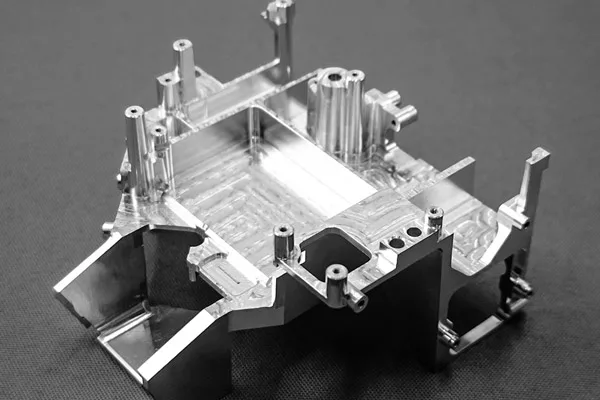
CNC machining part
6. Maintain and Properly Use Cutting Tools
Tool wear and breakage can lead to increased costs due to tool replacement and part rework. To optimize tool life:
- Use the right cutting tools: Select tools suited for the material and application.
- Maintain proper cutting parameters: Avoid excessive feed rates or speeds that accelerate tool wear.
- Implement coolant or lubrication: Proper cooling reduces heat and extends tool life.
7. Consider Outsourcing or Nearshoring
Sometimes, outsourcing CNC machining to specialized vendors or nearshore facilities can be more cost-effective, especially for low-volume or complex parts. Evaluate:
- Labor costs
- Material sourcing
- Lead times
- Quality standards
Partnering with reputable suppliers can reduce costs associated with in-house manufacturing.
8. Invest in Technology and Training
Advanced CNC machines and software can streamline production and reduce costs:
- Upgrade to modern CNC machines: Newer models often have higher speeds, better accuracy, and energy efficiency.
- Implement automation: Robotic loading/unloading systems decrease labor costs.
- Train staff: Skilled operators can optimize machine performance and reduce errors.
9. Monitor and Analyze Production Data
Regularly reviewing production metrics helps identify inefficiencies:
- Track machining times and tool wear
- Identify bottlenecks
- Optimize workflows
Data-driven decisions enable continuous improvement and cost reduction.
10. Focus on Quality Control
Rework and scrap costs can quickly inflate overall expenses. Maintaining strict quality control ensures:
- Consistent part quality
- Fewer rejects or rework
- Reduced material and labor waste
Implementing inline inspection systems and precise measurement techniques helps catch issues early.
Conclusion
Reducing CNC machining costs requires a combination of thoughtful planning, technological investment, and process optimization. By designing parts with manufacturability in mind, choosing appropriate materials, standardizing tooling, and streamlining workflows, manufacturers can significantly lower their expenses without sacrificing quality. Continuous process improvement and leveraging modern technology are key to maintaining competitiveness in a dynamic manufacturing landscape.
Implementing these strategies not only saves money but also improves efficiency, product quality, and turnaround times—ultimately contributing to your company’s growth and success. Start evaluating your current CNC processes today and identify areas where cost savings can be achieved.