
Overmolding is a versatile manufacturing process that combines two or more materials to create a single, functional, and aesthetically appealing product. It is widely used across various industries, including consumer electronics, medical devices, automotive parts, and consumer goods. One of the critical factors that determine the success of an overmolding project is the compatibility of the materials involved. In this comprehensive guide, we will explore the essentials of material compatibility in overmolding, helping you make informed choices for your next project.
What is Overmolding?
Overmolding involves molding one material over or around another, typically a substrate or core, to enhance performance, improve grip, add aesthetic value, or provide additional functionality. The process can involve various materials such as plastics, rubbers, or thermoplastics, and requires careful consideration of how these materials will interact during and after molding.
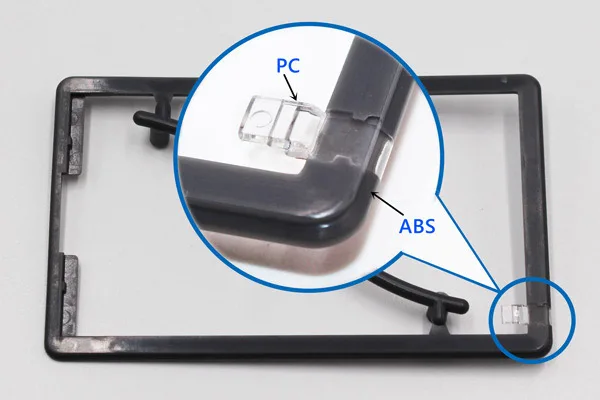
Plasti over molding
Why Material Compatibility Matters
Material compatibility is crucial because incompatible materials can lead to a range of issues, including poor adhesion, delamination, warping, cracking, or incomplete filling. Ensuring compatibility helps achieve strong bonding, durability, and the desired appearance of the final product.
Key Factors in Material Compatibility
Chemical Compatibility
The chemical nature of the materials influences their ability to bond. Materials with similar chemical structures tend to bond better. For example, thermoplastics like polypropylene (PP) and polyethylene (PE) are often compatible with each other, whereas bonding between dissimilar materials like PP and silicone may require an adhesive or primer.
Thermal Compatibility
Different materials have varying melting points and thermal expansion coefficients. During overmolding, temperature fluctuations can cause stress, warping, or delamination if the materials are not thermally compatible. Selecting materials with similar processing temperatures minimizes these risks.
Mechanical Compatibility
The mechanical properties, such as flexibility, hardness, and elongation, should complement each other. For example, overmolding a soft rubber over a rigid plastic can provide a durable, flexible grip, but the materials must adhere well and accommodate each other’s movement.
Processing Compatibility
The processing methods and parameters should suit both materials. Some materials require specific molding conditions that might not be compatible with others, necessitating process adjustments.
Common Material Combinations in Overmolding
Understanding which materials work well together is essential. Here are some typical compatible pairs:
Thermoplastic over Thermoplastic:
- Polypropylene (PP) / Polyethylene (PE)
- ABS / PC (Polycarbonate)
- Nylon / TPE (Thermoplastic Elastomer)
Thermoplastic over Rubber or Elastomer:
- TPE / PC
- TPU / ABS
- Silicone / Polyurethane
Insert Molding:
- Metal inserts with plastic overmolds
Enhancing Compatibility
In cases where materials are inherently incompatible, manufacturers can employ strategies such as:
Use of Adhesion Promoters or Primers: Chemical agents that improve bonding between dissimilar materials.
Surface Treatments: Plasma, corona, or chemical etching to modify surface energy and improve adhesion.
Design Considerations: Incorporating features like undercuts or textured surfaces to mechanically lock materials together.
Testing and Validation
Before full-scale production, it’s vital to test material combinations through adhesion tests, environmental stress testing, and long-term durability assessments. This helps identify potential issues early and ensures the final product performs as intended.
Process-Specific Challenges: Two-Shot vs. Insert Molding
The compatibility strategy can differ significantly based on the manufacturing process:
Two-Shot (Multi-Shot) Molding
This process occurs entirely within an automated molding machine. The substrate is molded first, the mold rotates or indexes, and the overmold is injected. Because the substrate is still hot and chemically active, this often provides the best possible chemical bond. Material selection must prioritize the matching of melt temperatures, as the hot substrate can become re-melted or degraded if the overmold temperature is too high.
This involves placing a pre-formed substrate into a mold cavity and injecting the overmold material around it. Since the substrate is cool, bonding relies heavily on surface treatment and mechanical interlocking. This process is more forgiving in terms of thermal processing but relies much more on the surface preparation of the insert.
Conclusion
Material compatibility is a cornerstone of successful overmolding. By understanding the chemical, thermal, mechanical, and processing interactions between materials, manufacturers can optimize bonding, product performance, and aesthetic appeal. Always consult material datasheets, work with suppliers, and conduct thorough testing to select the best material combinations for your specific application. With careful planning and knowledge, overmolding can unlock innovative design possibilities and deliver high-quality products efficiently.