
Polyethylene (PE) is one of the most widely used thermoplastic polymers in the world, renowned for its versatility, cost-effectiveness, and exceptional performance in plastic injection molding. As a lightweight yet durable material, PE serves as a cornerstone in industries ranging from packaging and consumer goods to automotive and construction. This blog explores the key properties, types, applications, and advantages of PE in injection molding, helping manufacturers and designers make informed decisions for their projects.
What Is Polyethylene (PE)?
Polyethylene is a semi-crystalline polymer derived from the polymerization of ethylene, a petroleum-based monomer. Its molecular structure—comprising long chains of carbon and hydrogen atoms—gives it remarkable flexibility, chemical resistance, and processability. PE is categorized into several grades based on density and branching, each tailored for specific applications.
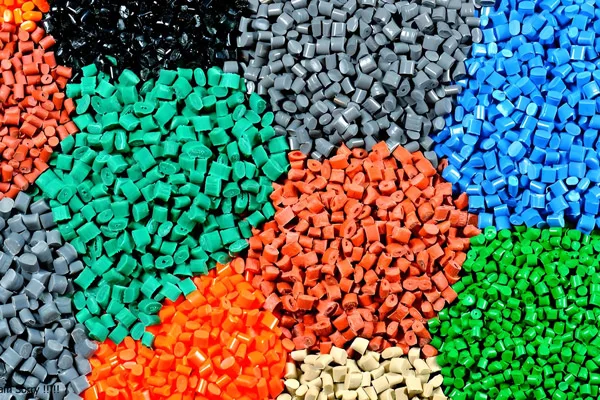
PE particles-1
Types of PE for Injection Molding:
- High-Density Polyethylene (HDPE)
- Characteristics: Rigid, strong, and resistant to moisture and chemicals.
- Applications: Containers, pipes, automotive fuel tanks, and outdoor furniture.
- Low-Density Polyethylene (LDPE)
- Characteristics: Flexible, translucent, and impact-resistant.
- Applications: Packaging films, squeeze bottles, and disposable gloves.
- Linear Low-Density Polyethylene (LLDPE)
- Characteristics: Combines flexibility with enhanced tensile strength.
- Applications: Stretch wrap, agricultural films, and trash bags.
- Ultra-High-Molecular-Weight Polyethylene (UHMWPE)
- Characteristics: Extremely durable, abrasion-resistant, and low-friction.
- Applications: Medical implants, gears, and industrial machinery components.
Key Properties of PE in Injection Molding
- Processability: PE melts easily and flows well, making it ideal for intricate molds and high-volume production.
- Chemical Resistance: Resistant to acids, bases, and solvents, ensuring longevity in harsh environments.
- Impact Strength: Withstands sudden forces without cracking, especially in LDPE and HDPE grades.
- Thermal Stability: Maintains performance across a wide temperature range (-50°C to 80°C for most grades).
- Recyclability: PE is 100% recyclable, aligning with sustainable manufacturing practices.
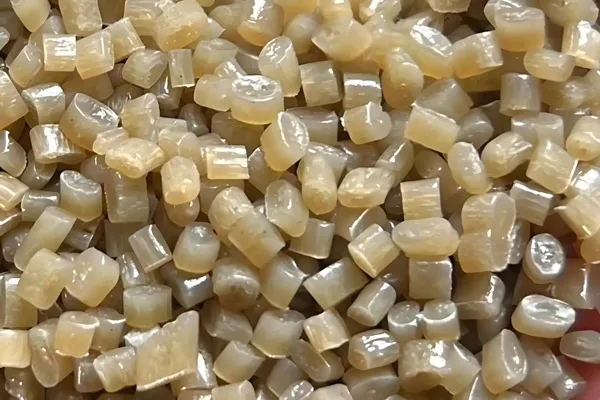
PE particles-2
Advantages of PE for Injection Molding
- Cost Efficiency: PE is affordable and abundant, reducing material costs for large-scale production.
- Lightweight Design: Parts are easy to handle and transport, ideal for automotive and aerospace applications.
- Customization: Available in various colors, textures, and finishes to meet aesthetic and functional requirements.
- Safety: Non-toxic and FDA-approved grades are available for food-contact and medical applications.
Common Applications of PE in Injection Molding
Packaging: Caps, closures, and containers for beverages, cosmetics, and pharmaceuticals.
Consumer Goods: Toys, household items, and sports equipment.
Automotive: Fuel tanks, air intake systems, and interior trim components.
Medical: Disposable syringes, IV bags, and surgical trays (using medical-grade PE).
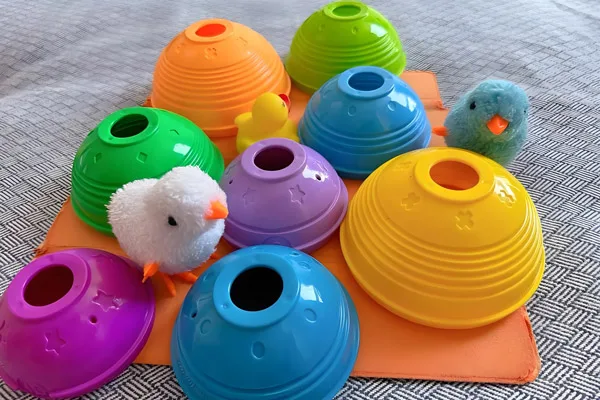
PE products
Conclusion
Polyethylene’s adaptability, durability, and cost-effectiveness make it a top choice for plastic injection molding across industries. Whether you need rigid HDPE for structural parts or flexible LDPE for packaging, PE offers a reliable solution that balances performance and sustainability.
At Danke Mold, we specialize in optimizing PE injection molding processes to deliver high-quality, eco-friendly products tailored to your needs. Contact us today to explore how PE can elevate your next project!