
When it comes to plastic injection molding, selecting the right material is crucial for achieving optimal performance, cost efficiency, and product durability. Two of the most commonly used thermoplastics in this process are High-Density Polyethylene (HDPE) and Polypropylene (PP). Both materials offer unique advantages and limitations, making them suitable for different applications. In this blog post, we’ll compare HDPE and PP across key factors to help you make an informed decision for your next project.
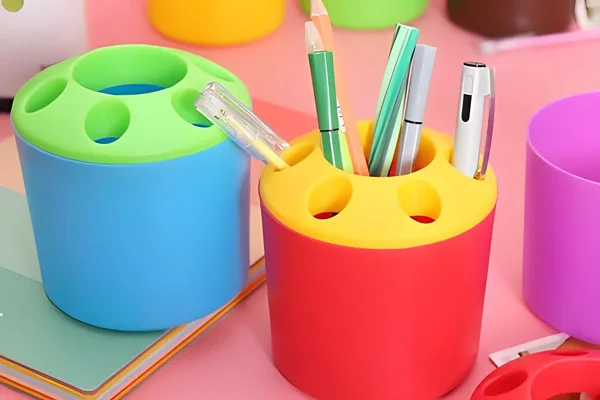
PP and HDPE products
1. Material Properties
HDPE (High-Density Polyethylene)
- Density & Strength: HDPE is known for its high strength-to-density ratio, making it one of the strongest polyethylene variants. It is rigid, impact-resistant, and withstands heavy loads, making it ideal for durable products.
- Chemical Resistance: Excellent resistance to acids, bases, and solvents, making it suitable for chemical storage containers and piping systems.
- Temperature Tolerance: Withstands temperatures up to 120°C (248°F) for short periods, though prolonged exposure to high heat may cause deformation.
- Moisture Barrier: Low permeability to water vapor, making it a top choice for bottles, tanks, and outdoor applications.
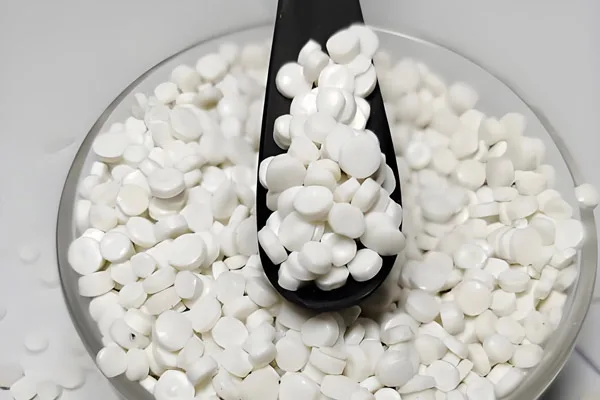
HDPE particles
PP (Polypropylene)
- Flexibility & Toughness: PP is semi-rigid but more flexible than HDPE, offering excellent impact resistance even at low temperatures.
- Chemical Resistance: Similar to HDPE, PP resists many chemicals but is slightly less effective against strong oxidizing acids.
- Temperature Tolerance: Higher melting point (up to 160°C or 320°F), making it suitable for hot-fill applications like food containers and automotive parts.
- Lightweight: Lower density than HDPE, reducing material costs and product weight without sacrificing strength.
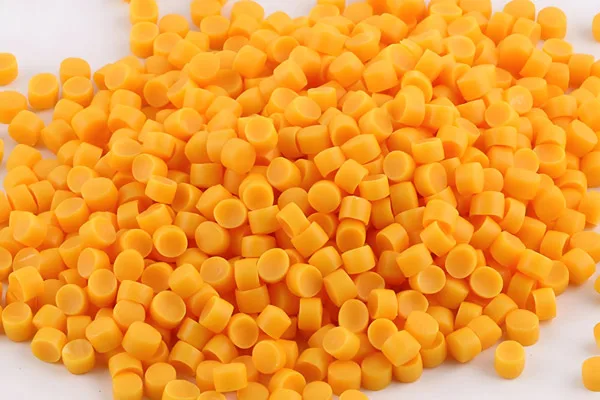
PP particles
2. Processing Characteristics
HDPE
- Molding Temperature: Requires higher processing temperatures (200–260°C or 392–500°F) due to its high crystallinity.
- Shrinkage Rate: Moderate shrinkage (1.5–3%), which must be accounted for in mold design to avoid warping.
- Flowability: Less fluid than PP during injection, making it better for thick-walled parts but requiring higher pressure for intricate designs.
PP
- Molding Temperature: Lower processing range (200–240°C or 392–464°F), reducing energy consumption.
- Shrinkage Rate: Higher than HDPE (1.5–2.5%), but its flexibility allows for easier ejection from molds.
- Flowability: Excellent fluidity, enabling the production of thin-walled, complex parts with minimal defects.
3. Common Applications
HDPE
- Packaging: Milk jugs, detergent bottles, and chemical containers.
- Construction: Pipes, fittings, and outdoor furniture.
- Consumer Goods: Trash bins, cutting boards, and toys.
PP
- Food & Beverage: Microwave-safe containers, bottle caps, and straws.
- Automotive: Battery casings, bumpers, and interior components.
- Medical: Disposable syringes, specimen containers, and lab equipment.
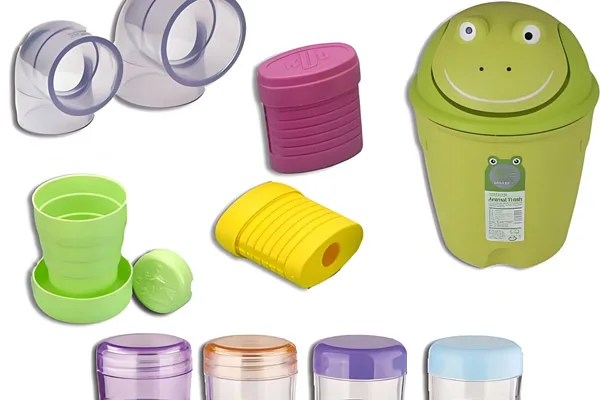
PP and HDPE products-2
4. Cost Considerations
Both HDPE and PP are cost-effective materials, but PP is generally slightly cheaper due to its lower density and energy-efficient processing. However, HDPE’s superior strength may justify its higher cost in applications requiring long-term durability.
5. Environmental Impact
Both materials are recyclable (HDPE is #2 plastic; PP is #5), but PP’s lower density reduces its carbon footprint per unit volume. Additionally, PP degrades faster than HDPE under UV exposure, making HDPE preferable for outdoor use without additives.
Conclusion: Which Material Should You Choose?
- Choose HDPE if you need high strength, chemical resistance, and moisture barrier properties (e.g., storage tanks, outdoor products).
- Choose PP if you require flexibility, heat resistance, or lightweight components (e.g., food packaging, automotive parts).
Ultimately, the decision depends on your project’s specific requirements. Consulting with a material expert or injection molding professional can help refine your choice based on performance, budget, and sustainability goals.
Ready to start your next project? Contact us today to discuss how HDPE or PP can bring your design to life with precision and efficiency!
By comparing HDPE and PP across these dimensions, manufacturers and designers can select the best material for their injection molding needs while optimizing performance and cost.