
In the rapidly evolving world of home appliances, manufacturers are continually seeking materials and manufacturing processes that provide durability, cost-effectiveness and design flexibility. Of the various manufacturing techniques available, plastic injection molding has established itself as the dominant option for producing appliance enclosures. Its widespread adoption is driven by numerous advantages that cater to the demanding demands of appliance manufacturing, from large-scale production to intricate design requirements.
Understanding Plastic Injection Molding
Plastic injection molding is a manufacturing process in which molten plastic material is injected into precisely engineered mold cavities. Once cooled and solidified, the mold opens and the finished component is ejected. This process allows for high volume production of complex and detailed parts with excellent consistency and accuracy.
The process involves several key steps:
1. Material Selection: Thermoplastic polymers such as ABS, polycarbonate, polypropylene, and polyethylene are commonly used due to their mechanical properties and ease of processing.
2. Mold Design: Molds are crafted with high precision to produce parts that meet exact specifications, incorporating features like ribs, bosses, and textured surfaces.
3. Injection: Molten plastic is injected under high pressure into the mold cavity.
4. Cooling: The plastic cools and solidifies within the mold.
5. Ejection: The mold opens, and the finished part is ejected.
This cycle can be completed in seconds, enabling high-volume production with consistent quality.
Why Injection Molding Dominates Appliance Housings
Several factors contribute to the predominance of plastic injection molding in manufacturing appliance housings:
Cost-Effectiveness
Injection molding is highly economical for large production runs. Once the mold is designed and fabricated, the cost per unit decreases significantly with volume. This makes it ideal for mass production of appliance housings, which are typically required in large quantities.
Design Flexibility
The process allows for complex geometries and intricate designs that would be difficult or costly to produce with other methods like machining or casting. Manufacturers can incorporate features such as internal ribs for strength, textured surfaces for aesthetics, and integrated mounting points, reducing the need for additional assembly steps.
Material Versatility
A wide range of plastics can be used, each offering specific properties such as shock resistance, heat tolerance, UV stability and electrical insulation. This versatility ensures that appliance enclosures can meet diverse functional requirements.
Consistency and Precision
Injection molding produces parts with tight tolerances and excellent dimensional stability. This consistency is crucial for accurately fitting components and ensuring the overall quality and reliability of the appliance.
Lightweight Components
Plastic housing is significantly lighter than metal alternatives, reducing shipping costs and making appliances easier to handle and install.
Aesthetic Qualities
Plastic materials can be easily colored, textured, or finished to achieve a premium look and feel. This capability enhances the appliance’s visual appeal, a critical factor in the consumer market.
Rapid Prototyping and Short Lead Times
Design modifications can be implemented quickly and prototypes produced efficiently, facilitating a faster product development cycle.
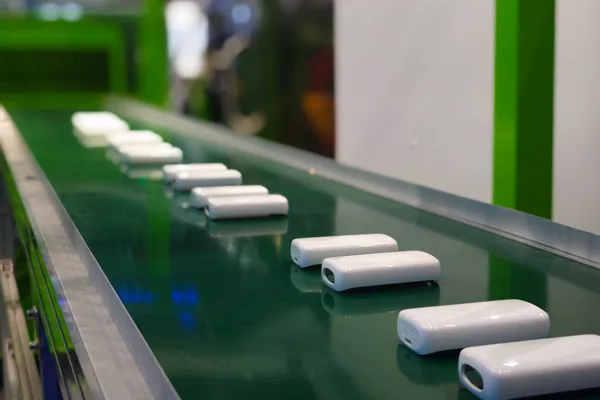
Plastic parts
Applications in Appliance Manufacturing
Plastic injection molding is used extensively in various household appliances, including:
- Refrigerators and freezers
- Washing machines and dryers
- Microwave ovens
- Dishwashers
- Vacuum cleaners
- Small kitchen appliances like blenders, mixers, and coffee makers
In each of these applications, the housing must provide protection, insulation, and aesthetic appeal, all of which are well-suited to injection-molded plastics.
Challenges and Considerations
While injection molding offers many benefits, there are also challenges:
High Initial tooling costs: Designing and manufacturing molds requires significant upfront investment, which is justified primarily for large production runs.
Design requirements: Complex parts must be designed with moldability in mind to avoid issues such as warping or incomplete filling.
Limitations: Some plastics may degrade over time or under certain conditions, requiring careful material selection.
Future Trends
Advancements in materials and technology continue to enhance the capabilities of plastic injection molding:
- Use of Bio-Based and Recyclable Plastics: Growing environmental concerns are prompting the adoption of sustainable materials.
- Micro-Injection Molding: Enables production of smaller, more precise components.
- Automation and Smart Manufacturing: Improve efficiency, reduce waste, and ensure quality consistency.
- Hybrid Molding Techniques: Combine injection molding with other processes like over molding or insert molding to create multifunctional parts.
Conclusion
Plastic injection molding has firmly established itself as the leading manufacturing process for appliance enclosures due to its cost efficiency, design flexibility, material versatility and ability to produce high-quality, durable components on a large scale. As technological innovations continue to emerge, its role in appliance manufacturing is poised to grow even further, meeting the increasing demand for sophisticated, lightweight and aesthetically appealing household products.