

Danke Mold Blog
We would just like to share our rapid tooling, plastic injection molding and on-demand manufacturing ideas and experiences. Danke aims to provide you with a deeper understanding of the processes, best practices, and innovative approaches that have shaped our work in these fields.
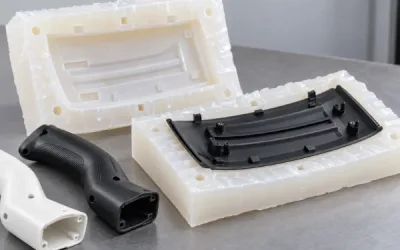
Why Vacuum Casting Continues to Be a Go-To Choice
Vacuum casting remains a popular manufacturing method for businesses that need high-quality prototypes or small batches of plastic parts. It offers a practical balance of speed, detail, material flexibility, and cost—especially when injection...
The Importance of Temperature Regulation in Plastic Injection Molding
Plastic injection molding is a widely used manufacturing process that allows for the production of complex, high-precision parts at scale. Central to the success of this process is the precise control of temperature throughout various stages of...
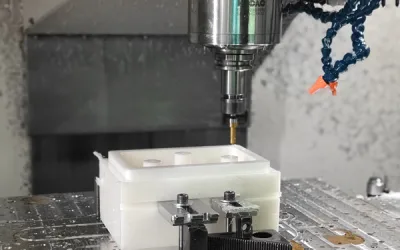
The Importance of Precision Manufacturing for Your Products
In today’s highly competitive market, the quality, reliability, and performance of products are more critical than ever. Consumers and businesses alike demand products that not only meet their functional needs but also exhibit superior...
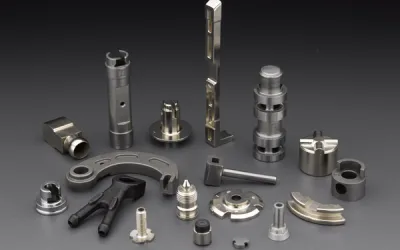
When to Use Metal Injection Molding: A Comprehensive Guide
Metal Injection Molding (MIM) is a transformative manufacturing process that combines the versatility of plastic injection molding with the strength and durability of metals. It allows for the production of complex, high-precision metal components...
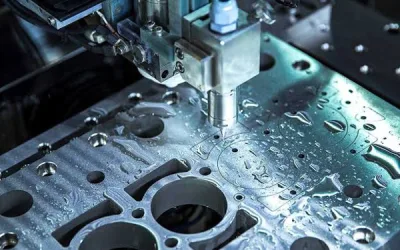
Unlocking Precision and Productivity: The Advantages of CNC Machining
CNC machining revolutionized the manufacturing industry with its precision, speed and efficiency. This advanced technology enables manufacturers to produce complex parts and products with unmatched accuracy and consistency. In this article, we...

How Does Plastic Injection Molding Impact Our Daily Lives?
Plastic injection molding is a manufacturing process that has become an integral part of modern life, though many of us may not realize it. This versatile and efficient technique is responsible for the vast array of plastic products we use every...
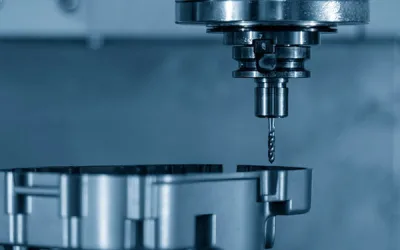
CNC Machining and Its Critical Role in the Electronics Industry
In the rapidly evolving world of electronics, precision, efficiency, and innovation are paramount. From smartphones and tablets to sophisticated medical devices and aerospace systems, the demand for high-quality, miniaturized, and reliable...

Compression Molding Application in Automotive Seat
The automotive industry continually seeks innovative manufacturing techniques to produce lightweight, durable, and cost-effective components that enhance vehicle safety, comfort, and aesthetics. Among these techniques, compression molding has...

Ultimate Guide to High-Volume Injection Molding for Mass Manufacturing
In the world of manufacturing, efficiency, precision, and cost-effectiveness are essential for meeting the demands of mass production. High-volume injection molding has emerged as a leading solution for producing large quantities of complex plastic...
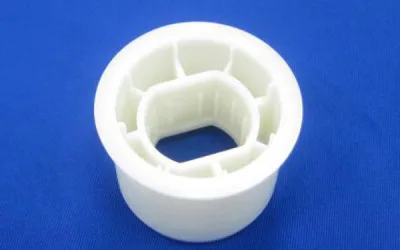
Introduction to 3D Printing with Composite Materials
In recent years, 3D printing has revolutionized manufacturing, design, and prototyping processes across various industries. Among the many advancements in additive manufacturing, the use of composite materials in 3D printing stands out as a...
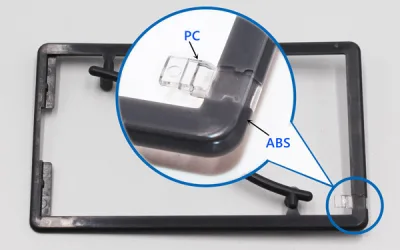
Quick Guide to Material Compatibility in Overmolding
Overmolding is a versatile manufacturing process that combines two or more materials to create a single, functional, and aesthetically appealing product. It is widely used across various industries, including consumer electronics, medical devices,...

A Comprehensive Guide to TPU 3D Printing for Flexible Industrial Applications
In recent years, additive manufacturing has revolutionized the way industries design, prototype, and produce components. Among the myriad of materials available, Thermoplastic Polyurethane (TPU) has emerged as a popular choice for creating...